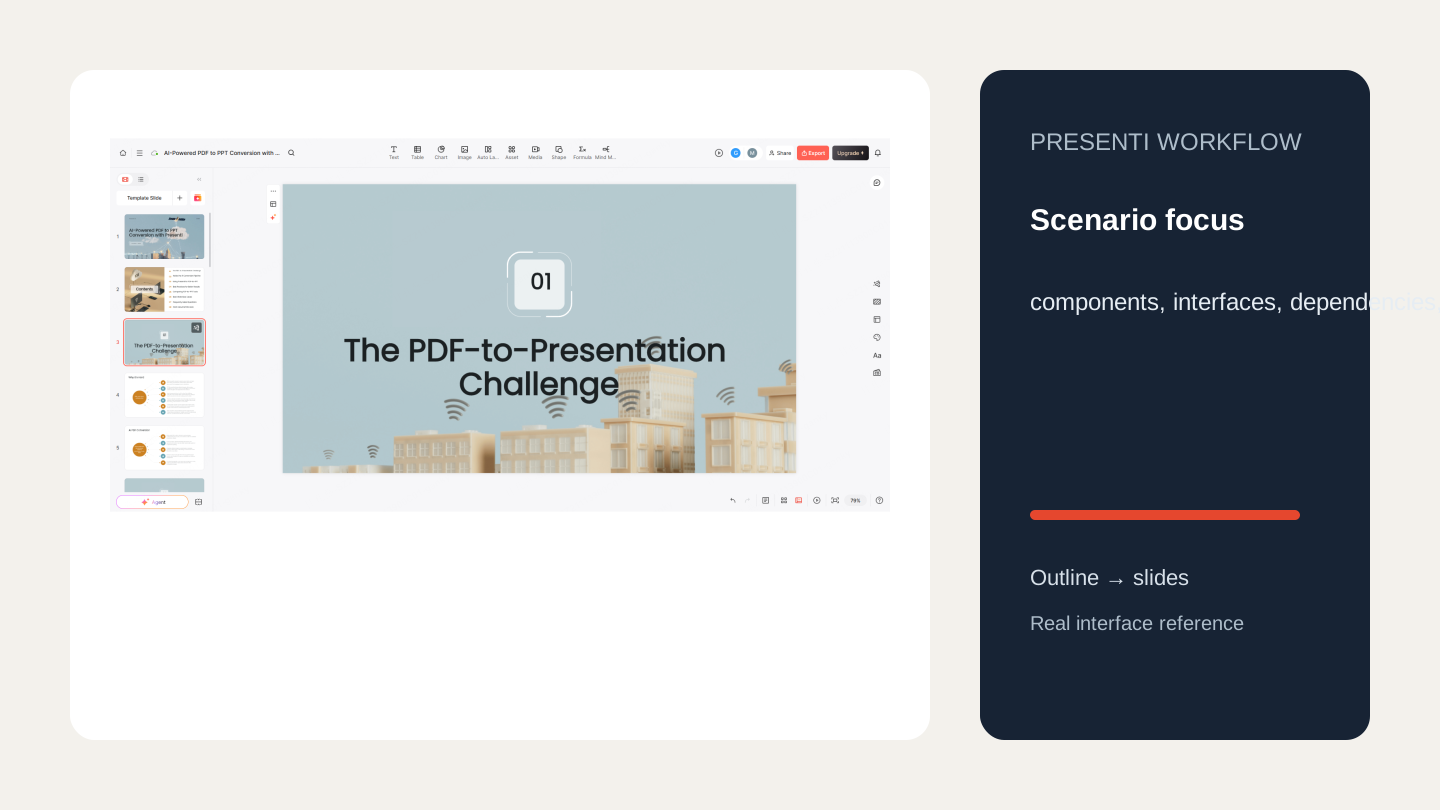
A strong technical architecture presentation makes the architecture of the decision visible before anyone debates the detail. Start with components, interfaces, dependencies, and failure boundaries, then show how each part changes the audience’s next action. For a faster first draft, you can turn a structured outline into slides with Presenti’s AI presentation workflow.
Start with the decision the audience must make
Name the audience, the decision, and the boundary of the discussion. For this topic, that means making components, interfaces, dependencies, and failure boundaries explicit instead of hiding them in speaker notes.
Choose a frame that fits the work
Use one visual frame per question. A map, timeline, comparison, or proof table should answer a question rather than decorate the page.
Show evidence at the level people can act on
Keep source notes beside claims that could be challenged. Mark what is observed, what is an assumption, and what still needs a decision.
Turn the story into a reviewable slide sequence
Build the deck so a reviewer can scan the headings, test the evidence, and find the requested action without a live explanation.
Leave a clear handoff and next step
End with an owner, a date, and the smallest next step. The resulting deck is easier to edit because each slide has a job.
Use the sequence as a working brief, then adapt the examples to your own evidence and audience.